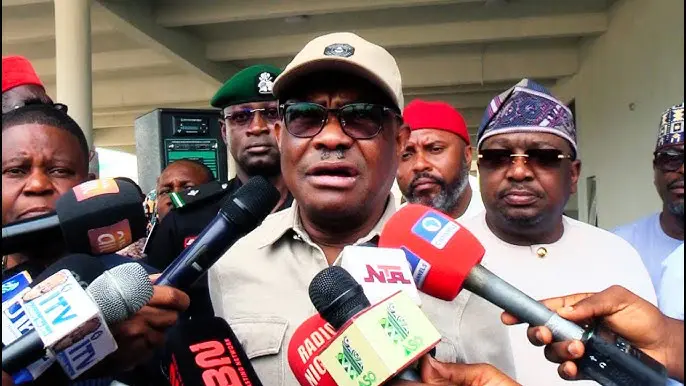



A chieftain of the African Democratic Congress (ADC), Austin Okai, has accused the All Progressives Congress (APC) and influential elements within the presidency of betraying Governor Fubara, whom he described as politically isolated and left to fend for himself in the face of an aggressive impeachment move.
Okai made these claims during an exclusive interview with News Week Nigeria, where he painted a grim picture of the governor’s political predicament.
According to Okai, the impeachment proceedings currently unfolding in Rivers State are a clear indication that Fubara no longer enjoys the backing of the APC, despite expectations in some quarters that the ruling party and the presidency would intervene to halt the process. He argued that if there were genuine efforts by the presidency to protect the governor, the impeachment threats would have fizzled out long ago.
“Fubara is having problems; APC has betrayed him,” Okai said. “If the presidency is protecting him as some people were making up to him, by now the whole impeachment process should have died down. Now he has gone to a local court for survival; his hope is hanging on the judiciary.”
ALSO READ: BREAKING: Court Orders INEC to Recognize Nenadi-led Exco of Labour Party
Okai went further to suggest that Fubara had been misled into believing that powerful interests at the federal level would step in on his behalf. In his view, that expectation has proven to be false, leaving Fubara exposed to political forces determined to weaken or remove him from office.
“You know that the presidency can scam somebody; they have scammed him,” Okai alleged. “He cannot even have control of his own House of Assembly members representing the state—a sitting governor who does not have control of his own House of Assembly.”
The ADC chieftain, who is also a former Peoples Democratic Party (PDP) candidate for the Dekina/Bassa federal constituency, argued that the impeachment saga appears designed to ensure that Fubara serves only a single term as governor. According to him, the current crisis may not necessarily end with the governor’s outright removal but could be calculated to weaken him politically and limit his prospects beyond his first tenure.
“There is a way out,” Okai said. “If they don’t impeach him again and he does only one term, is that not okay? I was expecting that by now, APC is supposed to have come to a stage of calling the Assembly members to order because as an APC governor, he is the leader of the party.”
He questioned why the APC leadership, both at the state and national levels, has not asserted its authority to rein in the lawmakers pushing for impeachment. To Okai, this silence speaks volumes about the party’s true intentions regarding Fubara’s political future.
“Maybe they don’t need him,” he said. “You will weigh the option—what does he have to offer when compared to what Wike has to offer? It’s a matter of choice at this moment. What does APC want?”
Okai’s remarks allude to the lingering influence of former Rivers State governor and current Minister of the Federal Capital Territory, Nyesom Wike, whose political shadow continues to loom large over the state. Many observers believe the ongoing crisis is tied to a prolonged power struggle between Wike’s political camp and forces loyal to Fubara, a struggle that has now spilled into the legislative arena.
Source: News Week Nigeria